The Must-Have Office Signs: Keeping Your Business Compliant & On Brand
Whether you’re running a busy law firm, high-street accountancy practice or consultancy, your office is more than a workspace. It’s often the first impression clients have of your business and a place your employees spend much of their working week.
Alongside branding, navigation and accessibility, signage also plays an important role in workplace safety. Some signs may be legally required depending on your premises, location and the risks identified, while others can help create a safer, easier-to-navigate and more professional environment.
Requirements vary across Great Britain, Northern Ireland and the Republic of Ireland, so there isn’t one universal list of mandatory office signs. In this guide, we’ll look at the signs that may be required, those every workplace should consider, and the signage that can help keep your office professional and on brand.
Office signs that may be legally required
There isn’t one universal list of mandatory office signs. What you need will depend on your premises, risk assessments and whether you’re based in Great Britain, Northern Ireland or the Republic of Ireland.
However, some signage may be legally required in the right circumstances:

Fire safety & escape signs
Fire exit and escape route signs help people identify how to leave your building safely in an emergency. Depending on your fire risk assessment, you may also need fire door signs, firefighting equipment signs and fire action notices.
Emergency escape signage must be clearly visible where required, while signs identifying equipment may not be necessary where its location is already obvious.
This can include:
Fire exit and escape route signs, fire door signs, fire action notices and firefighting equipment signs.
Health & safety signs
Warning, prohibition and mandatory safety signs may be required where a significant workplace risk cannot be adequately avoided or reduced through other measures.
The signs you need should therefore be based on the hazards identified within your workplace rather than simply installing a standard set of safety signs. This principle applies in both Great Britain and the Republic of Ireland, although the legislation differs.
This can include:
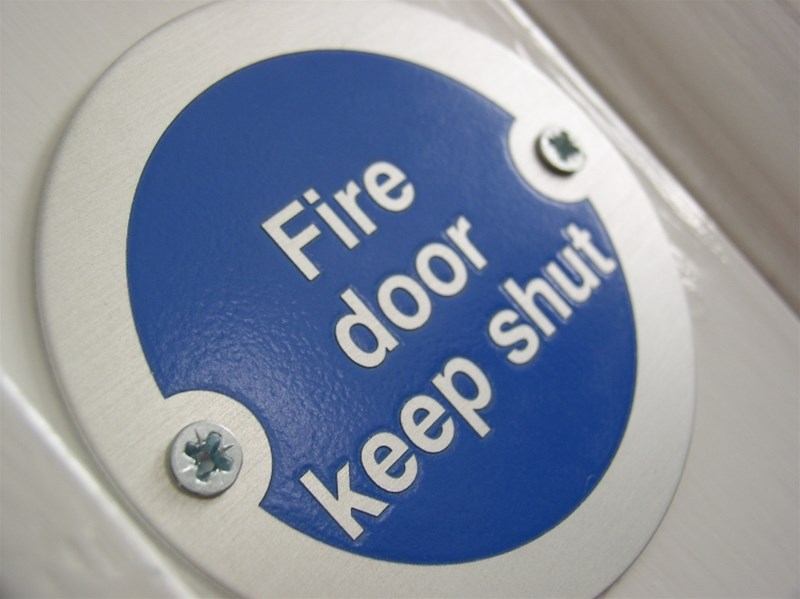
Hazard warning signs, mandatory instruction signs (e.g. fire door keep shut), prohibition signs and restricted-access signs.
CCTV signs
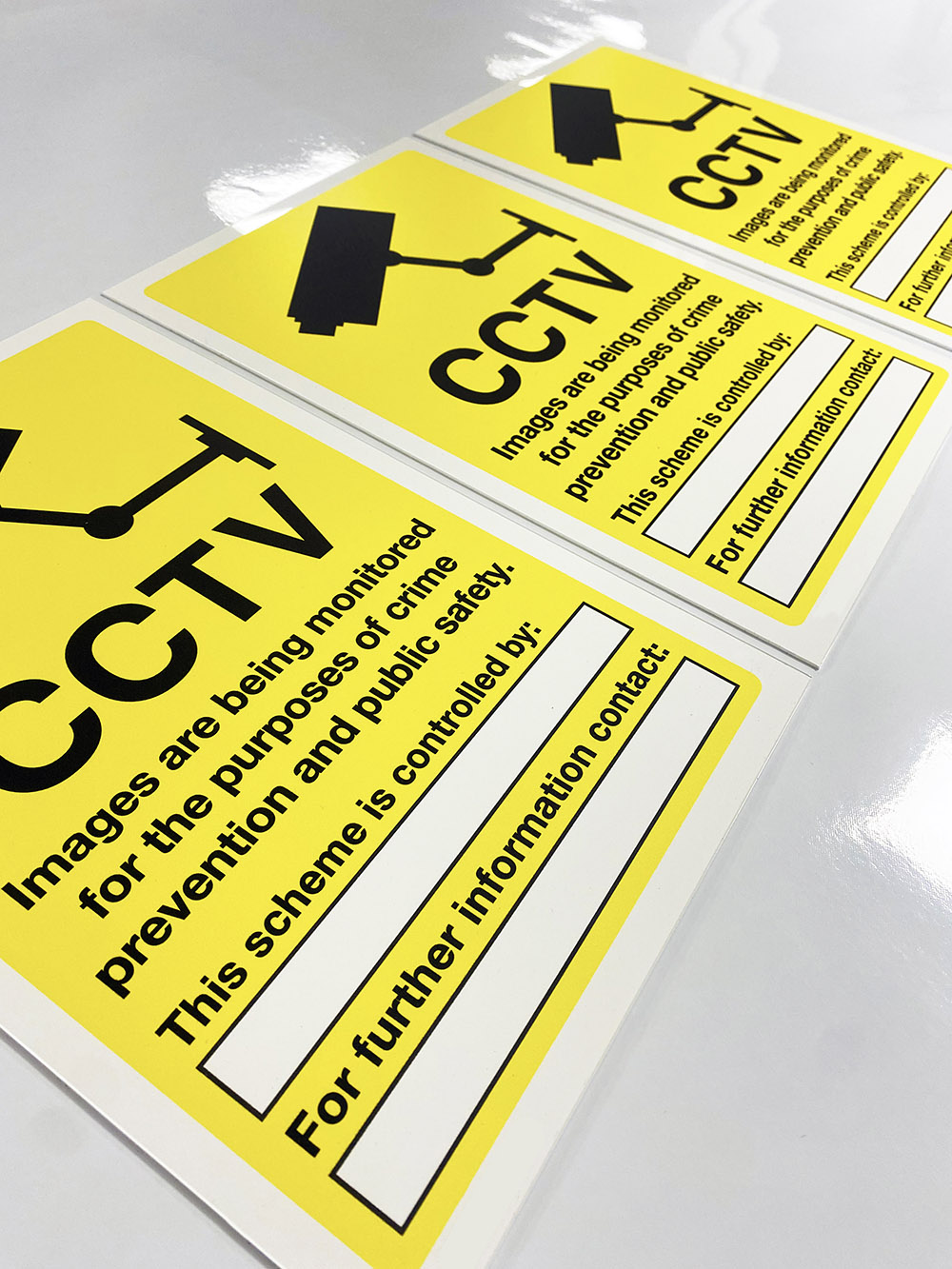
If CCTV captures identifiable individuals, people should be made aware that surveillance is taking place.
In the UK, CCTV notices should be clearly visible and explain that CCTV is in operation, why it is being used and who people can contact with questions.
This can include:
CCTV warning notices at entrances and other relevant monitored areas.
No smoking signs
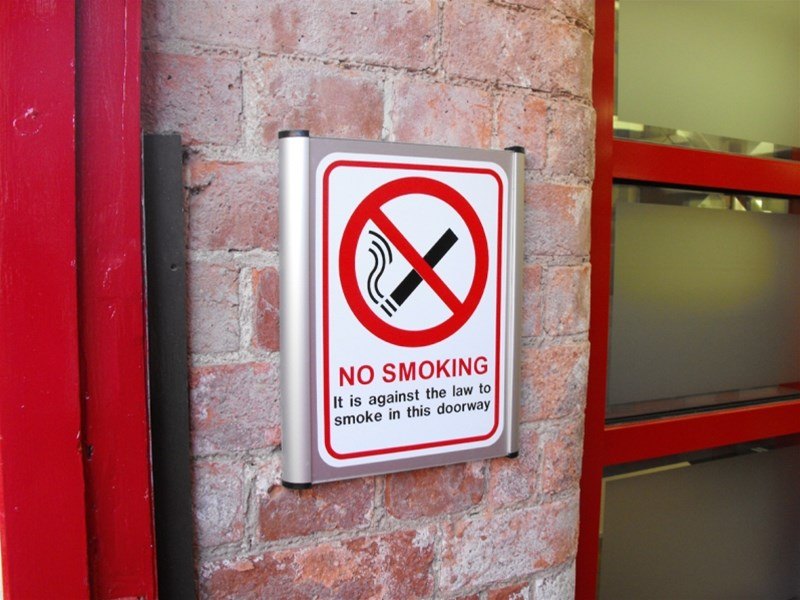
Smoke-free legislation can require appropriate no-smoking signage within workplaces and other smoke-free premises.
The exact signage and placement requirements differ between Great Britain, Northern Ireland and the Republic of Ireland, so businesses should check the rules that apply to their location.
Company name signs
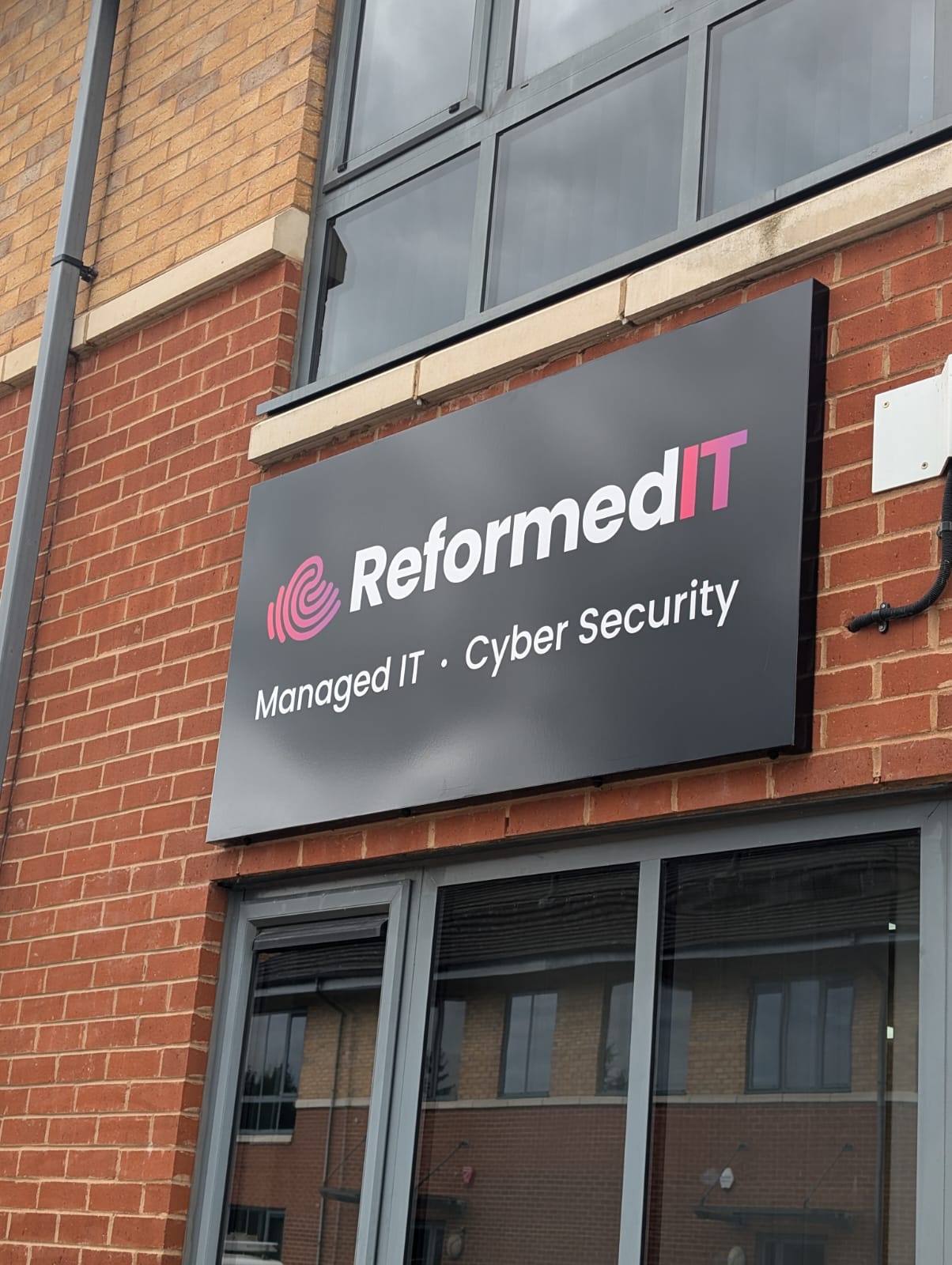
Your business name isn't just important for branding - companies can also have legal obligations to display it.
UK limited companies must generally display their registered company name at their registered office and other locations where they carry on business, subject to certain exceptions. The sign must be positioned so visitors can easily see it.
In the Republic of Ireland, companies are required to display their company name conspicuously and legibly outside every office or place where business is carried on.
Window manifestations
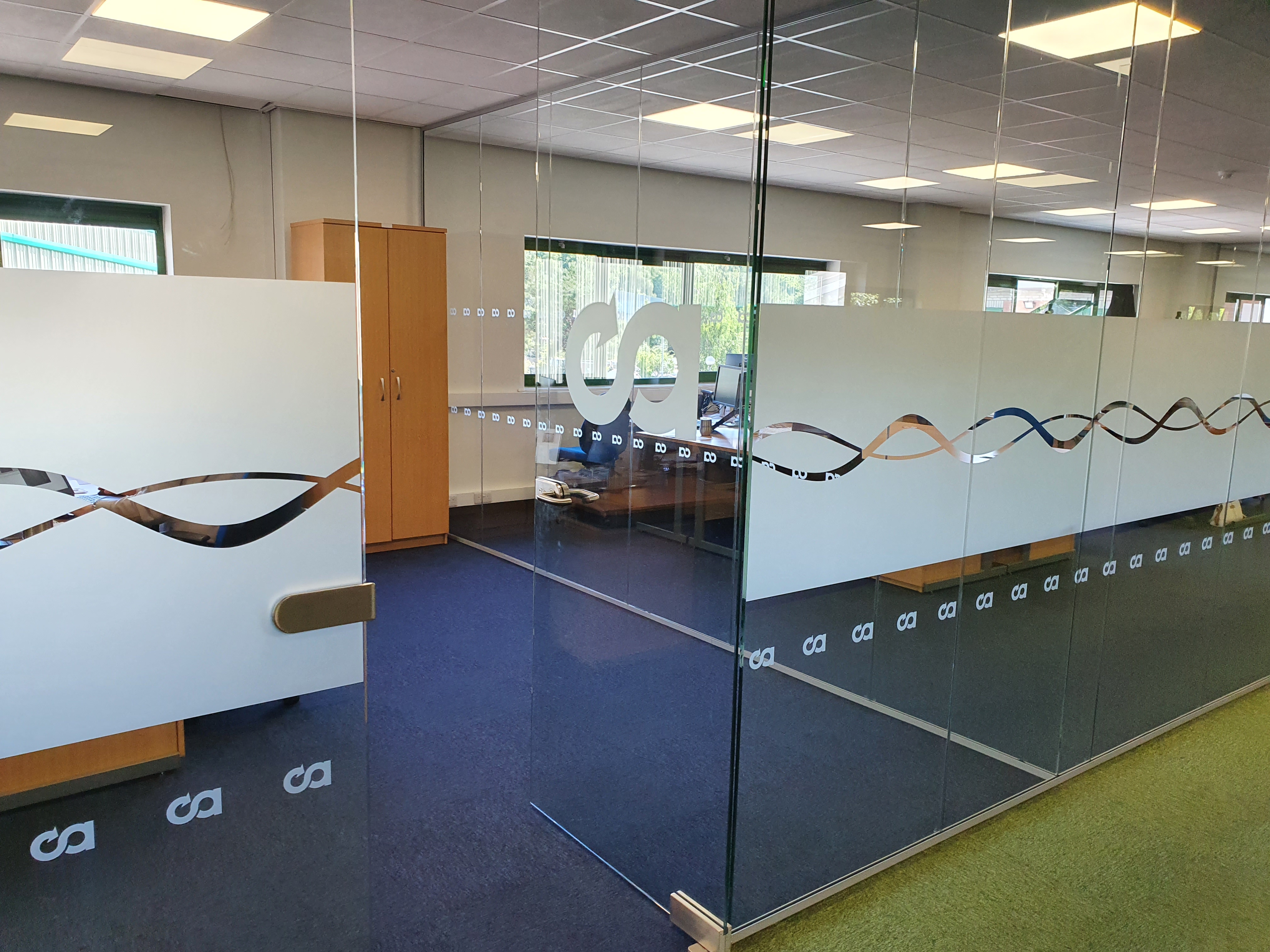
Large areas of transparent glazing can be difficult to see, creating a collision risk for employees and visitors.
Depending on the premises, glazing and applicable building regulations, manifestations or other features may be required to make glass clearly visible. For example, building guidance in England specifies manifestations for certain glass doors and glazed screens.
Manifestations can also incorporate logos, patterns and branding, helping a practical safety feature become part of your workplace design.
-
Fire safety & escape signs

Fire safety & escape signs
Fire exit and escape route signs help people identify how to leave your building safely in an emergency. Depending on your fire risk assessment, you may also need fire door signs, firefighting equipment signs and fire action notices.
Emergency escape signage must be clearly visible where required, while signs identifying equipment may not be necessary where its location is already obvious.
This can include:
Fire exit and escape route signs, fire door signs, fire action notices and firefighting equipment signs. -
Health & safety signs
-
CCTV signs
-
No smoking signs
-
Company name signs
-
Window manifestations
Office signs every workplace should consider
Not every useful office sign is universally required by law. Some signage can simply make your workplace safer, more accessible and easier for employees and visitors to use.
Office signs every workplace should consider
Not every useful office sign is universally required by law. Some signage can simply make your workplace safer, more accessible and easier for employees and visitors to use.

First aid signs
Employees need to know where first aid equipment is located and who can help in an emergency.
Clear signs can make first aid boxes, first aid rooms and trained first aiders easier to find quickly. In Northern Ireland, for example, HSENI advises that notices identifying first-aiders and the nearest first aid box will usually be sufficient to communicate first-aid arrangements.
Consider:
First aid box signs, first aider contact notices and first aid room signs.

Defibrillator signs
If an automated external defibrillator (AED) is available, clear signage can help employees and visitors find it quickly when every second counts.
Having an AED is not a universal legal requirement, so this is better positioned as good workplace practice rather than mandatory signage. In the Republic of Ireland, the HSA similarly describes providing an AED as good practice rather than a general employer requirement.
Accessibility signs
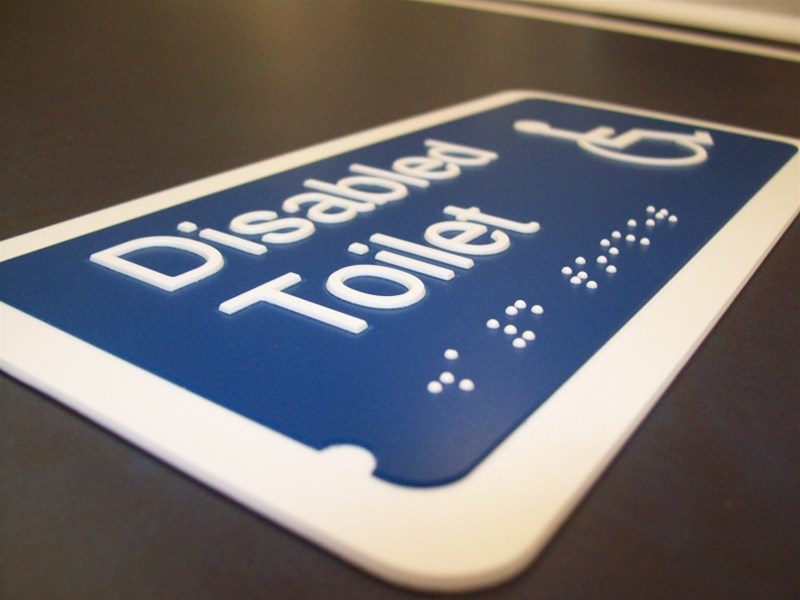
Clear accessibility signage can help people identify accessible entrances, toilets, lifts, routes and facilities throughout your premises. Depending on your workplace and the people using it, this may include high-contrast signs, tactile or Braille signage, and clear directions to step-free or accessible routes.
This helps make your workplace easier to navigate and more inclusive for visitors and employees.

Hearing loop signs
If your reception, meeting rooms or client areas have an induction loop, clearly identifying it lets hearing-aid users know the facility is available.
A hearing loop itself may form part of an appropriate reasonable adjustment in some situations, but the need will depend on the service, premises and people using it.

Assembly point signs
Where your emergency plan includes a designated assembly point, clear signage helps employees and visitors understand where to gather following an evacuation.
Positioning these signs clearly can help make emergency procedures easier to follow and reduce confusion outside the building.
-
First aid signs
First aid signs
Employees need to know where first aid equipment is located and who can help in an emergency.
Clear signs can make first aid boxes, first aid rooms and trained first aiders easier to find quickly. In Northern Ireland, for example, HSENI advises that notices identifying first-aiders and the nearest first aid box will usually be sufficient to communicate first-aid arrangements.
Consider:
First aid box signs, first aider contact notices and first aid room signs. -
Defibrillator signs
-
Accessibility signs
-
Hearing loop signs
-
Assembly point signs
Signage requirements vary by location
Workplace signage requirements differ across Great Britain, Northern Ireland and the Republic of Ireland, so the exact signs you need will depend on where your premises are based.
In all three jurisdictions, businesses should consider requirements around health and safety, fire safety, accessibility, CCTV and smoke-free premises, but the legislation and official guidance are not identical.
For example, Great Britain, Northern Ireland and the Republic of Ireland each have their own workplace safety regulations, and there are also differences in areas such as health and safety law posters, no-smoking signage and company identification.
Always check the official guidance that applies to your location and premises before deciding which signs are required.
Get In Touch
Not sure what you need?
Whether you're fitting out a new space or reviewing an existing one, our team offers free signage audits to help you stay compliant and stand out.
With over 60 Signs Express centres across the UK and Ireland, we provide local expertise with national reach. And with more than 30 years in the industry, there’s nothing we haven’t seen, signed, or sorted.
Contact your local Signs Express centre to book your free signage consultation.
Find Your Local Signs Express

Get in Touch
Enquiry Form
Please contact your local centre by completing this enquiry form and we shall respond to your request as soon as possible.
Contact Us
Want to send a message to your local centre? Fill out our contact form and we will respond to you as soon as possible.

 Back to news
More like this


What our customers say