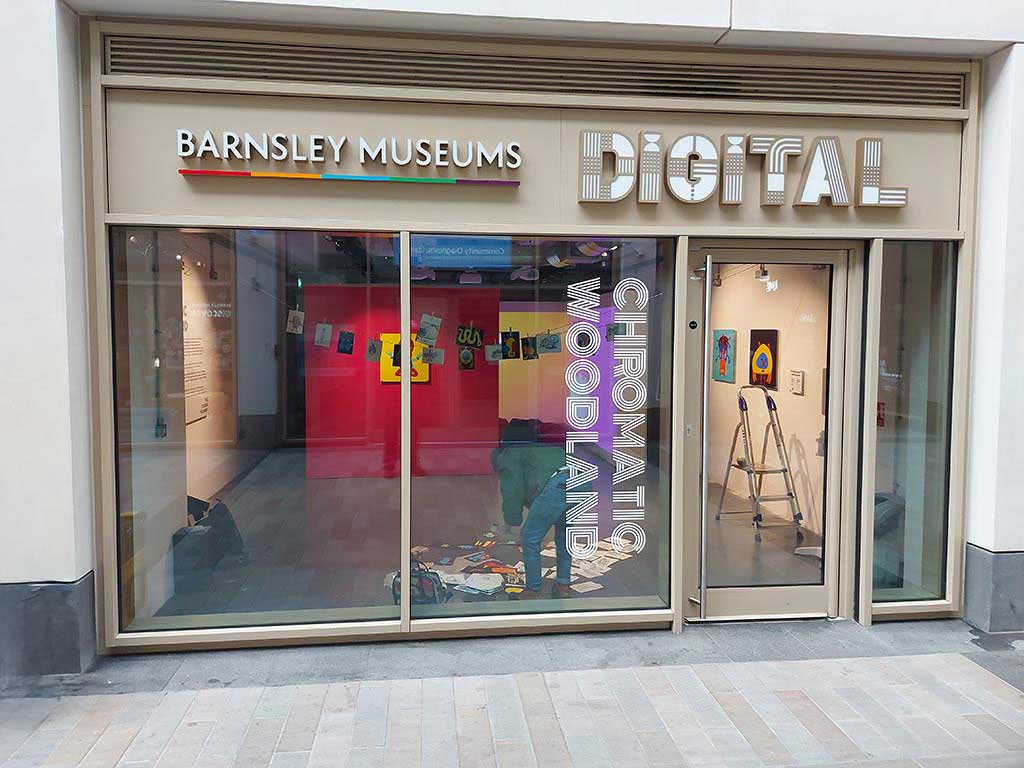
Bomb blast window film

Bomb Blast Window Film and Martyn’s Law

With Martyn’s Law expected to come into force in spring 2027, organisations across the UK are reviewing how they prepare their premises and protect employees, visitors and the public.

Bomb blast window film can form part of wider protective security planning by helping to hold broken glass together and reduce the risk posed by flying glass fragments following an explosion. Applied to suitable existing glazing, it can offer a practical retrofit solution where replacing windows may not be appropriate.

Signs Express can help you explore specialist bomb blast window film alongside other signage and window film solutions to support your wider safety and security plans.

Martyn’s Law information on this page is correct as of October 2026. Requirements and guidance may be updated as the legislation moves towards implementation.

Enquire Today

What is bomb blast window film?

Bomb blast window film, also known as bomb blast safety window film, anti-shatter film or fragment retention film, is applied to suitable existing glazing to help reduce the risk caused by flying glass following an explosion or impact.

Rather than preventing glass from breaking, the film helps hold broken fragments together, reducing the chance of shattered glass being projected into occupied areas.

It can offer a practical retrofit option where replacing existing glazing may not be suitable. The level of protection will depend on factors such as the existing glass, window size, frame and fixings, film specification and quality of installation, so each glazing system should be considered individually.

Get In Touch

How can bomb blast window film support your security plans?

Where glazing has been identified as a potential vulnerability, bomb blast safety window film can provide a practical way to help reduce the risks associated with flying glass. For organisations reviewing Martyn’s Law guidance ahead of implementation, it may be one of several protective security measures worth considering.

  • Reduce the risk from flying glass
    Specialist film helps hold broken glass together, reducing the potential for dangerous fragments to be projected into occupied areas following an explosion or impact.

  • Retrofit existing glazing
    Where replacing windows is not practical or appropriate, anti-shatter film can provide a retrofit option for suitable existing glazing to help reduce the flying-glass hazard.

  • Maintain light and visibility
    Clear film options can provide additional glazing mitigation while allowing natural light and outward visibility to be largely maintained, depending on the film and glazing selected.

  • Support wider protective security planning
    Glazing mitigation can form part of a broader security approach alongside measures such as emergency procedures, access controls and other actions identified through an appropriate security or risk assessment.

The right solution will depend on your existing glazing, window dimensions, film specification and the level of mitigation required, so each application should be assessed individually.

What is Martyn’s Law?

Martyn’s Law, officially known as the Terrorism (Protection of Premises) Act 2025, is UK legislation designed to improve protective security and organisational preparedness at certain publicly accessible premises and events.

Named in memory of Martyn Hett, one of the 22 people who lost their lives in the Manchester Arena attack in 2017, the legislation aims to ensure organisations have appropriate procedures and, where required, protective measures in place to reduce the risk of harm from terrorism.

Martyn’s Law takes a proportionate, tiered approach, with responsibilities based largely on how many people can reasonably be expected to be present at the same time. Premises may fall within either the standard tier or enhanced tier, with different requirements applying to each.

Official Martyn’s Law guidance is available to help organisations understand whether they fall within scope, which tier applies and what they may need to do to prepare.

Read Martyn's Law
A teal and white graphic with Martyn's Law information. Expected to come into force from Spring 2027, standard tier 200-799 people, enhanced tier 800+ people. Information correct as of October 2026.

What are the Martyn’s Law requirements?

Standard tier - 200-799 people

Martyn’s Law standard tier requirements focus on preparedness. Qualifying premises must have appropriate public protection procedures in place, so far as reasonably practicable, covering evacuation, invacuation, lockdown and communication.

Physical security upgrades are not a specific requirement of the standard tier.

Enhanced tier - 800+ People

Larger qualifying premises and events have additional responsibilities. Alongside public protection procedures, they must consider and implement reasonably practicable measures to reduce vulnerability to terrorism and the risk of physical harm.

The measures required will depend on the individual premises and identified risks, so organisations should refer to the official Martyn’s Law guidance to understand what applies to them.

Is bomb blast window film required under Martyn's Law?

No. Martyn’s Law does not specifically require bomb blast window film.

For enhanced-tier premises and qualifying events, organisations must consider reasonably practicable measures to reduce vulnerability to terrorism and the risk of physical harm.

Where glazing is identified as a potential vulnerability, bomb blast safety window film may be worth considering as part of a wider protective security strategy.

Installing window film alone does not demonstrate compliance with Martyn’s Law. Any measures should be appropriate to the premises and the risks identified.

How can Signs Express help?

Every premises has different safety, security and accessibility needs. With a nationwide network of signage and graphics specialists, Signs Express can help you explore practical solutions that support your wider protective security plans.

Our solutions include:

How can Signs Express help?

Every premises has different safety, security and accessibility needs. With a nationwide network of signage and graphics specialists, Signs Express can help you explore practical solutions that support your wider protective security plans.

Our solutions include:

Bomb blast window film

Specialist bomb blast safety window film can help reduce the risks associated with flying glass. Our team can discuss your glazing requirements and suitable product and installation options.

Discuss Your Requirements

Safety and emergency signage

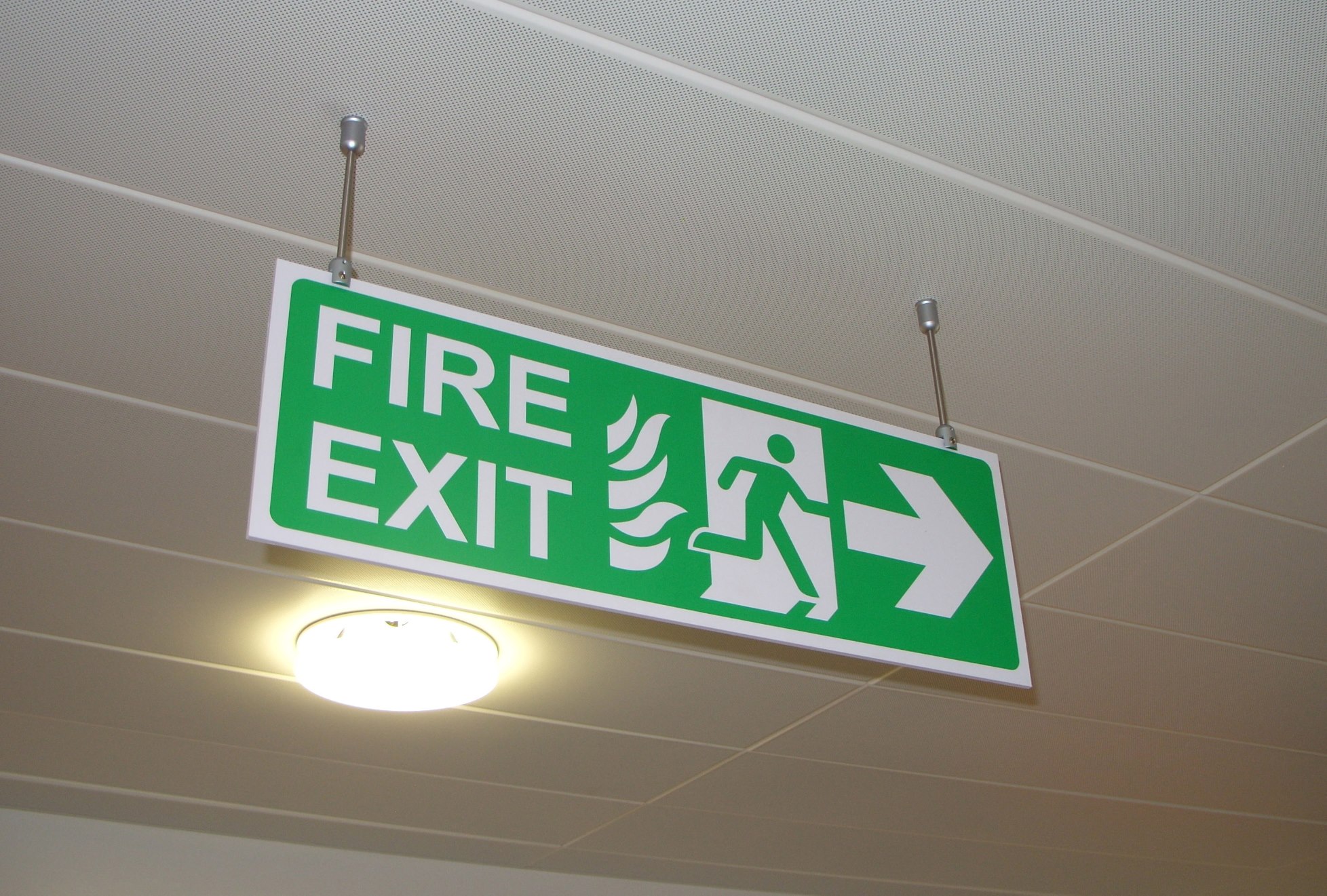
Clear, visible signage can help communicate important safety information, identify emergency exits and support safer movement around your premises.

Discover Safety Signage

Wayfinding and directional signage

Well-planned wayfinding helps visitors and employees find key areas, facilities and routes quickly and confidently.

Explore Wayfinding Signage

Window graphics and manifestations

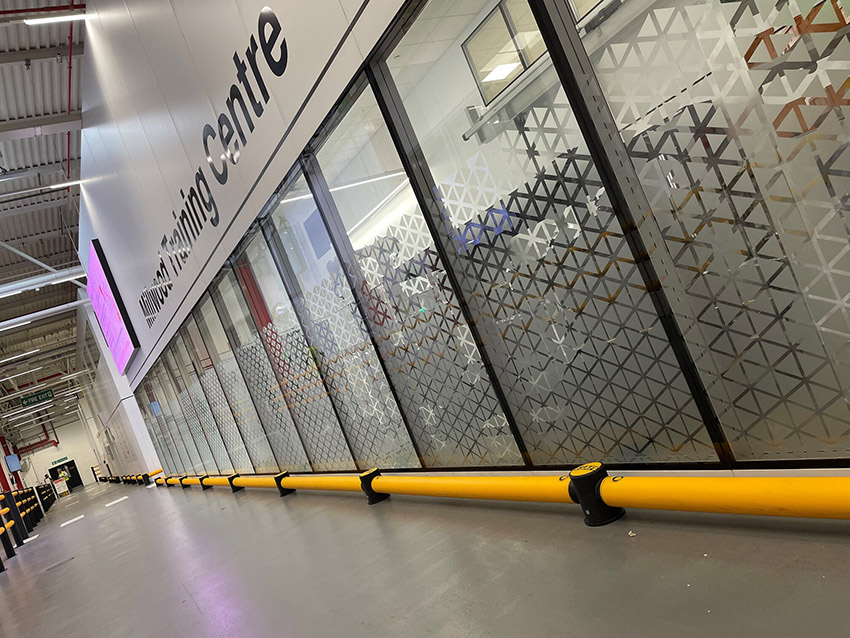
Window manifestations can make glazed areas easier to see, supporting accessibility and helping create safer environments for building users.

Discover Window Graphics

FAQs

  • Q. How does bomb blast safety window film work?
    Collapse Expand toggle icon

    Bomb blast safety window film is designed to help retain broken glass following an explosion or impact, reducing the potential for dangerous glass fragments to enter occupied areas. It does not make glazing blast-proof or prevent the glass from breaking.

  • Q. Can bomb blast window film be fitted to existing windows?
    Collapse Expand toggle icon

    In suitable circumstances, yes. Anti-shatter film can be applied as a retrofit measure to existing glazing where replacing the windows may not be practical or appropriate. Suitability depends on factors including the existing glass, glazing system and required level of mitigation.

  • Q. When does Martyn’s Law come into effect?
    Collapse Expand toggle icon

    Martyn’s Law received Royal Assent on 3 April 2025 and is expected to come into force in spring 2027, although the exact commencement date has not yet been confirmed. Organisations can use the implementation period to understand the requirements and prepare where necessary.

  • Q. Who does Martyn’s Law apply to?
    Collapse Expand toggle icon

    Martyn’s Law applies to certain publicly accessible premises and events where large numbers of people may gather. Whether a premises is in scope depends on how it is used and how many people, including staff, are reasonably expected to be present at the same time.

    Examples may include:

    • Shops and shopping centres

    • Restaurants, hotels and hospitality venues

    • Theatres, cinemas and entertainment venues

    • Sports and leisure facilities

    • Museums, galleries and visitor attractions

    • Healthcare premises

    • Places of worship

    • Educational establishments

    In general, qualifying premises must reasonably expect 200 or more people to be present at the same time. Specific rules and exceptions apply, so organisations should check the official Martyn’s Law guidance for their premises.

Prepare your premises with Signs Express

Understanding your responsibilities under Martyn’s Law is an important step towards improving the safety and preparedness of your premises.

If you’re considering bomb blast window film, safety signage or other building graphics, Signs Express can help you explore the options available.

Contact your local Signs Express centre to find out more.

Enquire
Get in Touch

Enquiry Form

Please contact your local centre by completing this enquiry form and we shall respond to your request as soon as possible.

Contact Us

Want to send a message to your local centre? Fill out our contact form and we will respond to you as soon as possible.

  • Aberdeen
  • Abingdon & Didcot
  • Aylesbury
  • Basildon
  • Bath
  • Battersea
  • Bedford
  • Belfast
  • Birmingham SW
  • Bristol
  • Cardiff
  • Chelmsford
  • Cheltenham
  • Colchester
  • Coventry
  • Cumbernauld
  • Derby
  • East Grinstead
  • Enfield
  • Exeter
  • Falkirk
  • Gateshead
  • Glasgow
  • Gloucester
  • Greenwich
  • Harlow
  • Grantham
  • Hull
  • Huddersfield & Halifax
  • Ipswich
  • Ireland
  • Lancaster
  • Leeds
  • Leicester
  • Loughborough
  • Lincoln
  • Liverpool & Wirral
  • Manchester
  • Milton Keynes
  • Mullingar
  • Newcastle
  • Northampton
  • NW Kent & SE London
  • N & NE Lincs
  • Norwich
  • Nottingham
  • Oxford
  • Peterborough
  • Plymouth
  • Portsmouth
  • Preston
  • Reading
  • Rotherham
  • South Durham
  • Salisbury
  • Scarborough
  • Sheffield
  • Slough
  • Southampton
  • Stirling
  • Stockport
  • Swansea
  • Swindon
  • Taunton
  • Teesside
  • Telford
  • Twickenham
  • Warwick
  • Wearside
  • Worcester
  • York
  • Winchester
  • High Wycombe
  • Northallerton
  • Dublin
  • Southport
  • Agriculture
  • Charity
  • Construction
  • Creative Agencies
  • Education
  • Health
  • Hospitality
  • Hotels / Bars / Restaurants
  • Import
  • Industrial
  • Local Authority
  • Media
  • Private Sale
  • Professional Services
  • Recreation & Leisure
  • Retail
  • Sign Company
  • Trades People
  • Transport
  • Utilities
question icon question icon
upload tip
Upload Tip

If you would like you can upload a maximum of 5 PDF, JPG, PNG or EPS files to support your application. These should each be 5mb or less.

By checking this box, I agree to receive marketing communications to the contact information provided. I understand that I can withdraw my consent at any time. View our privacy policy to find out more.
* These fields are mandatory
Call Now Contact us on Whatsapp WhatsApp